
A passport left on the kitchen table when the flight is in two hours does not need a delivery slot for next Tuesday. A pharmacy item, signed contract, forgotten laptop or catering order does not either. The future of driver dispatch will be judged in these moments: by how quickly a real request becomes a clear price, a confirmed driver and a successful handover.
For customers, the change is simple. They will expect urgent delivery to work as naturally as requesting a taxi. Explain what needs collecting, where it is going and how soon it is needed. Get an answer without chasing. Know the price before committing. Then get on with the day while someone capable handles the collection.
For delivery businesses, making that feel simple is the hard part. It requires better dispatch technology, local driver knowledge, honest communication and people who can make sensible decisions when a job is anything but standard.
The future of driver dispatch starts with urgency
Traditional courier booking was designed around planned routes, scheduled collections and predictable parcels. There is still a place for that model. If a business sends stock between locations every Friday, or a customer is posting a non-urgent package, planning ahead is usually cheaper and perfectly practical.
Urgent work is different. The collection may be from a hotel reception, a hospital, a shop about to close, an office with security procedures or a family home where the customer is already on the way to the airport. The item may be a set of keys, a prescription, a boxed birthday cake or a bag left in a taxi office. A dispatch system has to understand more than postcode and distance.
That is why speed will not mean simply sending the nearest available driver every time. It will mean assessing the whole job quickly: collection access, item size, destination timing, traffic, driver position and whether the driver has the right vehicle and experience for the task. A driver five minutes away is not necessarily the fastest answer if they are heading into a congested city centre or cannot collect from a location with controlled access.
Better technology, clearer human decisions
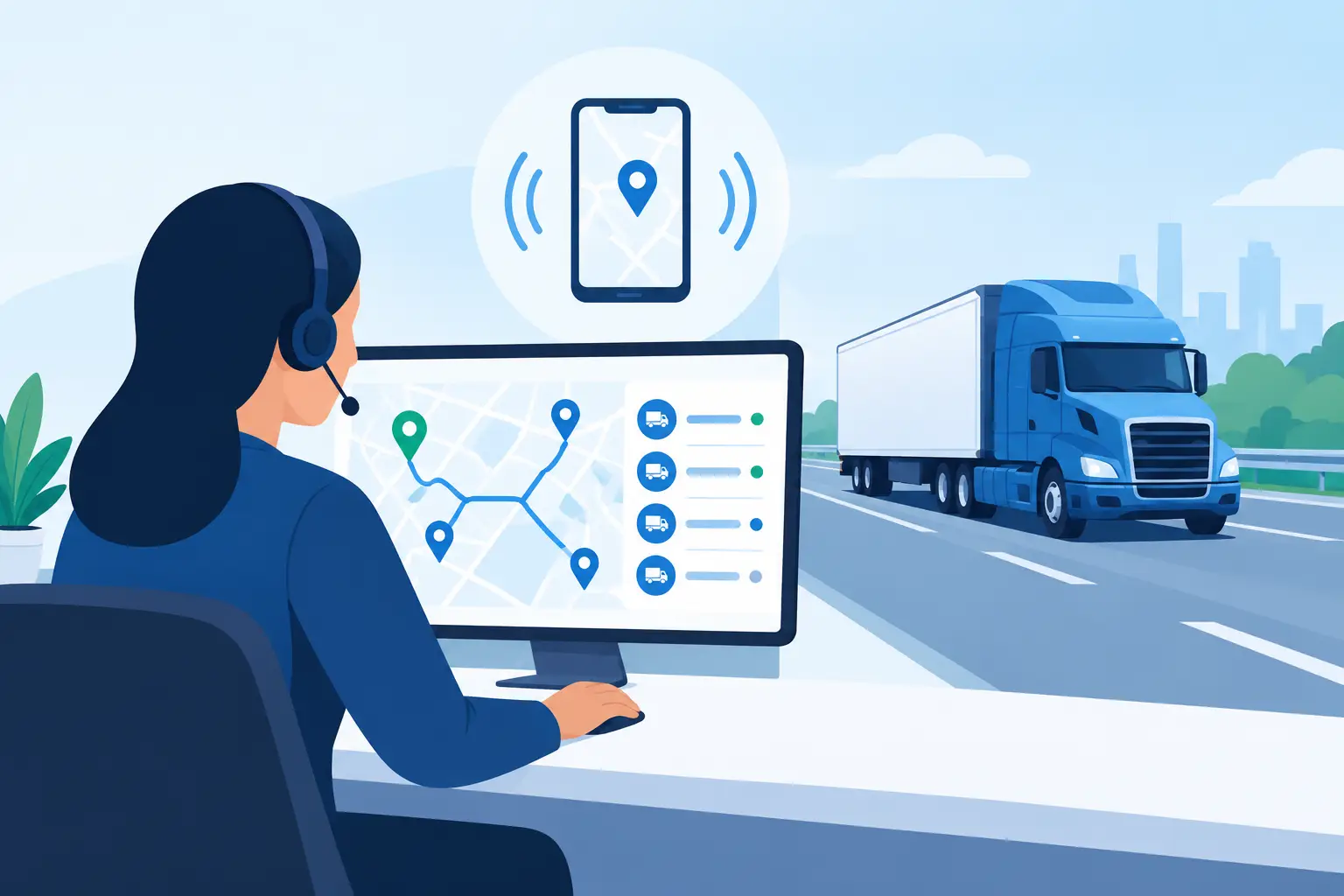
Dispatch software is becoming far better at matching jobs to drivers. It can factor in live traffic, road closures, vehicle capacity, previous routes, delivery deadlines and the likelihood that a driver can reach a collection point on time. For businesses handling several urgent jobs at once, this can cut wasted mileage and reduce the guesswork that causes late collections.
Artificial intelligence will have a role here, particularly in predicting demand. If a dispatch team knows that certain areas become busy after office hours, during a major event or on a wet Friday evening, it can position available drivers more intelligently. It can also flag jobs that are likely to need extra time, such as collections from large retail centres or deliveries to venues with narrow access windows.
But automation should not become a wall between the customer and the person solving the problem. A customer asking for a passport run needs confidence, not a vague automated message. A business sending temperature-conscious food samples needs a dispatcher who understands that leaving them in a vehicle while another job is completed is not acceptable.
The best future of driver dispatch is therefore not driverless, faceless or entirely automated. It combines fast systems with a human dispatcher who can ask the useful question, spot the unusual detail and alter the plan before a small delay becomes a major problem.
The quote must be as immediate as the dispatch
Price uncertainty is one of the biggest causes of hesitation in urgent delivery. When time matters, customers should not have to wait for a job to be reviewed, wonder what surcharges may appear later or agree to an open-ended cost just to get a driver moving.
Immediate pricing will become a stronger expectation. The price may vary according to distance, urgency, vehicle type, waiting time or special handling, and that is fair. What matters is that the customer understands it before the job begins.
For a one-off customer, this removes friction at a stressful moment. For a business, it makes urgent delivery easier to approve and account for. A marketing agency arranging event supplies, for example, can make a quick decision when it knows the cost of moving a missing banner across Dublin before doors open.
Dispatch will become more precise, not merely faster
There is a temptation to treat every delivery target as a race against the clock. Speed matters, but an unrealistic promise helps nobody. The better standard is precise expectation-setting: when can the item be collected, when is it likely to arrive, and what could affect that timing?
This is especially relevant across Ireland. A short distance in a busy part of Dublin can take longer than a much greater distance on an open road. Galway collections can involve pedestrian areas, difficult parking or a customer who is meeting the driver between appointments. Nationwide same-day work adds another layer, because the job may involve a long route, a rural collection point or a handover that cannot be missed.
Smart dispatch will use accurate arrival estimates and live updates, but it should also be candid. If a road closure adds time, say so. If a collection location is difficult to access, explain what information will help. If an item needs careful handling, build that into the schedule rather than pretending every job is identical.
That level of accuracy protects drivers too. A driver who receives complete collection notes, contact details and item information can focus on the job rather than spending ten minutes trying to locate the right entrance. Better dispatch means less idle time, fewer failed collections and safer decisions on the road.
Drivers will remain the service people remember
Customers may book through a form or an app, but the driver is often the only person they meet. That matters most when the item is personal or high-stakes. Handing over a forgotten phone, collecting a pet from a veterinary practice, or delivering a document needed for a deal is not the same as dropping a standard parcel at a door.
The role is likely to become more skilled. Drivers will need to work confidently with proof of collection, photo confirmation where appropriate, secure handovers, age-sensitive goods and business reception procedures. They will also need the judgement to recognise when something is wrong, whether that is a recipient who cannot be contacted or packaging that is not suitable for transport.
Technology can support this with clear job details and instant communication. It cannot replace care, discretion and common sense. Customers do not just want an item moved. They want to know it has been collected from the right place, carried properly and handed to the right person.
Sustainability will change the dispatch decision
Faster delivery does not have to mean unnecessary journeys. In fact, smarter dispatch can make urgent delivery more efficient by reducing empty mileage, grouping compatible jobs where deadlines allow, and sending the right vehicle rather than the largest available vehicle.
There will always be occasions when a dedicated direct run is the only sensible option. A passport needed at the airport should not be placed on a multi-drop route to save a few kilometres. Yet many business transfers and local collections can be planned with lower-emission travel in mind without compromising the promised service.
Electric vehicles, cargo bikes and smaller cars will become more useful for certain city jobs, particularly where parking and congestion slow larger vehicles. They will not suit every collection. A bulky marketplace purchase, a large catering order or a long-distance urgent delivery may require something else. Good dispatch is about choosing the practical option, not forcing every job into one model.
What customers should expect next
The strongest on-demand delivery services will increasingly offer a simple chain of certainty: a quick assessment, an upfront price, rapid driver assignment, useful updates and proof that the job is complete. Behind that chain will be sophisticated routing and dispatch decisions, but the customer should not need logistics expertise to use it.
That has always been the point of a service such as We Fetch. Whether the request is a click-and-collect order, lost luggage, a forgotten key or urgent business documents, the customer needs someone to take ownership of the problem as fast as possible.
The next time an essential item is in the wrong place, give the collection details early, include the recipient's contact number and be clear about the deadline. Those few details let a good dispatcher make a better decision quickly, and can turn a difficult day into a solved problem.